
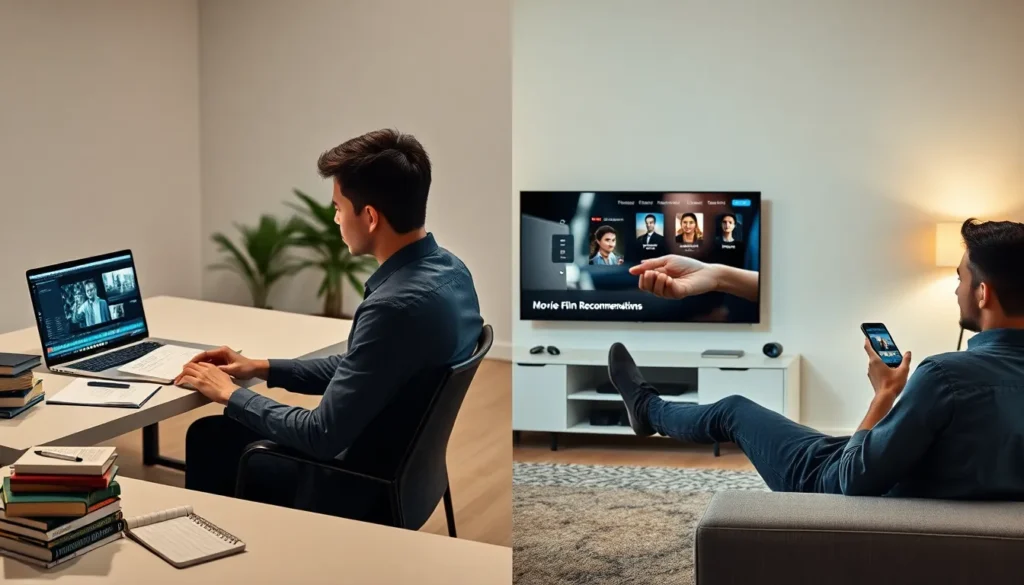
Movie breakdowns vs reviews represent two distinct approaches to film analysis. Both formats attract millions of viewers on YouTube and readers across entertainment blogs. Yet many people use these terms interchangeably, missing the unique value each offers.
A movie breakdown dissects a film’s components, its cinematography, themes, and hidden details. A movie review, on the other hand, tells audiences whether a film is worth their time and money. Understanding the difference helps viewers find exactly what they need, whether that’s a spoiler-free recommendation or a deep jump into storytelling techniques.
This guide explains what separates movie breakdowns from reviews, when to seek each format, and how to get the most from both.
Table of Contents
ToggleKey Takeaways
- Movie breakdowns vs reviews serve different purposes: breakdowns analyze film craft in detail, while reviews help you decide whether to watch.
- Watch a movie review before seeing a film for spoiler-free guidance, and save breakdowns for after you’ve watched.
- Breakdowns dissect cinematography, themes, symbolism, and hidden details—ideal for film students and cinephiles seeking deeper understanding.
- Reviews evaluate overall quality, acting, and entertainment value, making them perfect for quick decision-making on streaming nights.
- Many film fans use both formats: reviews to choose what to watch, then breakdowns to appreciate films that resonated with them.
- The biggest practical difference is spoilers—reviews protect plot secrets while breakdowns reveal everything to analyze storytelling choices.
What Is a Movie Breakdown?
A movie breakdown analyzes a film’s individual elements in detail. Think of it as an autopsy of the movie, it examines what makes the film work (or fail) from a craft perspective.
Breakdowns typically cover:
- Cinematography choices: Why did the director use that specific camera angle? What does the lighting communicate?
- Narrative structure: How does the plot unfold? Where are the turning points?
- Symbolism and themes: What deeper meanings hide beneath the surface?
- Easter eggs and references: What callbacks to other films or source material appear?
- Character arcs: How do characters change from beginning to end?
Movie breakdowns assume the viewer has already watched the film. They contain heavy spoilers. Creators like Nerdwriter1, Every Frame a Painting, and Lessons from the Screenplay built their channels around this format.
The goal of a breakdown isn’t to recommend a film. Instead, it helps audiences appreciate what they’ve watched on a deeper level. Someone might love a movie without knowing why, a good breakdown explains the “why.”
Breakdowns appeal to film students, aspiring filmmakers, and cinephiles who want more than surface-level entertainment. They transform passive viewing into active learning.
What Is a Movie Review?
A movie review evaluates a film and helps audiences decide whether to watch it. Reviews answer a simple question: Is this movie worth my time?
Reviewers share their opinions on various aspects:
- Overall quality: Did the movie succeed at what it attempted?
- Acting performances: Did the cast deliver convincing portrayals?
- Story engagement: Does the plot hold attention?
- Entertainment value: Will audiences enjoy the experience?
- Technical execution: Do the visuals and sound work effectively?
Most reviews avoid major spoilers. They might describe the premise and first act but won’t reveal plot twists or endings. This spoiler-free approach protects the viewing experience for audiences who haven’t seen the film yet.
Movie reviews range from professional critics at outlets like Variety and The Hollywood Reporter to amateur reviewers on YouTube and Letterboxd. Some assign star ratings or percentage scores. Others skip numerical ratings entirely.
The movie review format has existed for over a century. Newspapers published film critiques as early as the 1910s. Today, reviews appear across every platform, print, web, video, podcasts, and social media.
Reviews serve audiences at the decision-making stage. Someone scrolling through streaming options wants quick guidance, not a 20-minute analysis of color theory.
Core Differences Between Breakdowns and Reviews
Movie breakdowns vs reviews differ in purpose, timing, and audience. Here’s how they compare:
| Aspect | Movie Breakdown | Movie Review |
|---|---|---|
| Primary purpose | Analyze and explain | Evaluate and recommend |
| Spoiler level | Heavy spoilers expected | Minimal to no spoilers |
| When to consume | After watching the film | Before watching the film |
| Target audience | Film enthusiasts seeking depth | General audiences seeking guidance |
| Content focus | Technical and thematic analysis | Quality assessment and opinion |
| Typical length | Longer, more detailed | Shorter, more concise |
Purpose and Intent
Reviews answer “Should I watch this?” Breakdowns answer “Why does this work?” These questions require completely different approaches.
A reviewer might say “The cinematography is stunning” and move on. A breakdown creator spends ten minutes explaining exactly which shots impressed them and the techniques the cinematographer used.
Spoiler Approach
This is the biggest practical difference. Reviews protect plot secrets. Breakdowns reveal everything, including endings, twists, and character deaths.
Someone who reads a breakdown before watching a film will know every major story beat. That’s intentional. The format requires complete transparency to analyze narrative choices.
Expertise Level
Breakdowns often require deeper film knowledge. Creators reference directing techniques, film theory, and industry history. Reviews can come from anyone with an opinion.
Both formats have value. Movie breakdowns vs reviews simply serve different needs at different times.
When to Watch a Breakdown vs a Review
Choosing between movie breakdowns vs reviews depends on where someone stands in their viewing journey.
Choose a Review When:
- Deciding what to watch tonight: Reviews cut through endless streaming options and highlight what’s worth the time.
- Avoiding spoilers matters: Major plot points stay hidden in quality reviews.
- Time is limited: A two-minute review gives quick guidance. A 30-minute breakdown requires commitment.
- Seeking general audience perspective: Reviews often reflect how average viewers will react, not just film experts.
Choose a Breakdown When:
- The credits just rolled: Fresh from watching, breakdowns help process what just happened.
- Something felt “off” but unclear why: Breakdowns identify specific storytelling or technical issues.
- Wanting to appreciate filmmaking craft: Breakdowns teach viewers to see films differently.
- Preparing to discuss the film: Breakdowns provide talking points and insights for conversations.
- Watching a film for the second time: Knowing the plot frees viewers to notice details breakdowns highlight.
Many film fans use both formats regularly. They check reviews before watching something new, then seek breakdowns for films that resonated with them.
Some creators blend both approaches. They offer a spoiler-free review section followed by a full breakdown. This hybrid format serves audiences at both stages.

